Lowara Water Pump Repair Dublin
Specialist Lowara water booster pump diagnosis, repairs, servicing and replacement throughout Dublin.
Is your Lowara water pump losing pressure, running continuously, switching on and off, leaking, making unusual noises or failing to start?
At Boosterpumps.ie, we specialise in diagnosing and repairing domestic water booster pumps, including Lowara water pressure boosting systems.
Based in Terenure, Dublin 6, we provide professional mobile water pump repair services throughout Dublin, with free telephone advice available.
Call 083 206 3931 for advice about your Lowara water pump.
Is This Your Lowara Water Pump?
Lowara is a well-established pump manufacturer and part of the Xylem group, producing water pumps for domestic, residential, commercial and industrial applications.
Lowara pumps are commonly used for water pressure boosting, water transfer and supplying water to properties where additional pumping pressure is required.
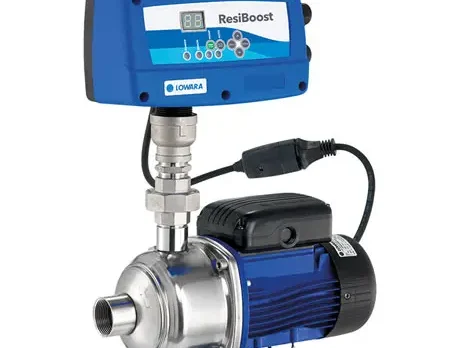
Depending on the model, your Lowara installation may use a conventional fixed-speed pump, an electronic pressure controller or a variable-speed control system.
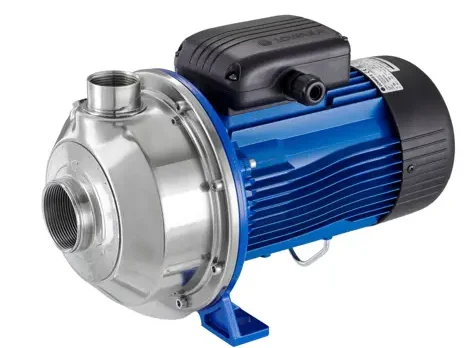
Many Lowara pumps can be identified by their blue motor housing and stainless steel pump body, although their appearance varies considerably between models.
If your pump looks like one of the photographs in our Pump Finder, check the manufacturer's identification label to confirm the model.
If you're unsure which Lowara pump you have, send us a photograph of the pump and its identification plate.
Lowara Pump Models and Systems
Lowara BG Self-Priming Pumps
The Lowara BG series consists of self-priming centrifugal pumps used for applications including water supply, pressure boosting and water transfer.
These pumps incorporate an ejector arrangement designed to assist with self-priming.
In domestic installations, BG pumps may operate with a separate electronic pressure controller or traditional pressure-control equipment.
Lowara e-HM Horizontal Multistage Pumps
The Lowara e-HM range consists of horizontal multistage pumps designed for efficient water pressure boosting and other clean-water applications.
These pumps use multiple impeller stages to develop pressure and are available in different sizes and configurations.
Standard e-HM pumps are not self-priming, so suitable water supply and installation conditions are essential.
Depending on the installation, an e-HM pump may operate with a separate pressure controller, pressure vessel or control system.
Lowara e-HME Variable-Speed Pumps
The Lowara e-HME Smart Pump combines multistage pumping technology with electronic variable-speed motor control.
The pump adjusts its operation to respond to system demand, helping maintain controlled water pressure.
Problems with these systems may involve the hydraulic components, pressure sensing, electrical supply or electronic drive.
Lowara e-SV Vertical Multistage Pumps
The Lowara e-SV range consists of vertical multistage pumps commonly used in pressure boosting and water supply systems.
These pumps are found in various residential and commercial installations and may form part of a larger booster system.
An e-SV installation may also incorporate variable-speed controls, pressure sensors and external control equipment.
Lowara Pumps With Genyo Controllers
Some Lowara pump installations use a separate Genyo electronic pressure controller.
The Genyo controller can automatically start and stop a compatible pump according to water demand and provide protection against certain dry-running conditions.
If your Lowara pump has a Genyo controller fitted to the pipework, the fault may originate in the controller rather than the pump itself.
Identifying the exact pump and controller arrangement is important before recommending repairs.
Common Lowara Water Pump Problems
1. Lowara Pump Running Continuously
If your Lowara pump continues running after all taps and showers have been switched off, there may be a problem with the pump controls or connected plumbing.
Possible causes include:
- Water leaking from the household pipework
- A leaking toilet valve or dripping tap
- A faulty non-return valve
- Incorrect pressure-control settings
- A defective pressure or flow switch
- A fault within an electronic pump controller
- The pump failing to achieve the required pressure
Different Lowara pump systems use different methods of controlling automatic operation.
The pump and its controller should be assessed together before recommending replacement.
A Lowara pump running continuously does not automatically mean that you need a new pump.
2. Lowara Water Pump Losing Pressure
Low or inconsistent water pressure can be caused by restrictions in the water supply, mechanical wear or problems within the pressure-control system.
Possible causes include:
- Insufficient incoming water supply
- Air entering the suction pipework
- Blocked inlet filters or restricted pipework
- Worn or damaged impellers
- Leaks within the connected plumbing
- Incorrect pressure settings
- Pressure sensor or controller problems
We can assess the pump and surrounding installation to help determine whether the fault originates within the pump or elsewhere in the water system.
3. Lowara Pump Switching On and Off Frequently
Frequent starting and stopping, often called short cycling, can place unnecessary strain on the motor and pump controls.
Possible causes include:
- Small leaks within the plumbing system
- A faulty or incorrectly charged pressure vessel
- A defective non-return valve
- Incorrect pressure-switch settings
- Problems with an electronic controller
- Unstable water supply conditions
Not all Lowara pumps have an integrated pressure vessel. Some installations use an external vessel, while others operate through electronic flow and pressure control.
The exact installation must be identified before diagnosing the cause.
4. Lowara Pump Not Starting
If your Lowara pump fails to start when water is required, possible causes include:
- Electrical supply problems
- A tripped protective device
- A faulty pressure switch
- A defective Genyo or other controller
- Motor overheating protection
- A seized or obstructed pump
- An internal motor or electrical fault
A pump that fails to start does not necessarily need replacing.
We can investigate the cause and advise whether repair is practical.
5. Lowara Pump Losing Prime or Failing to Deliver Water
Some Lowara pumps, including the BG range, are designed for self-priming operation.
Other Lowara pumps, including standard e-HM and e-SV models, require suitable flooded-suction or priming arrangements.
If your pump is running but failing to deliver water, possible causes include:
- Air entering the suction pipework
- Loose or leaking suction connections
- An empty supply tank
- A blocked inlet
- An obstructed or defective foot valve
- Incorrect priming conditions
- Mechanical problems within the pump
Repeated operation without an adequate water supply can damage pump components.
The water supply and installation should be investigated before restarting a pump that has lost prime.
6. Lowara Pump Making Excessive Noise or Vibrating
An increase in pump noise or vibration may indicate a developing mechanical or installation problem.
Possible causes include:
- Air entering the pump
- Cavitation caused by unsuitable suction conditions
- Worn motor bearings
- Mechanical wear or damaged components
- Loose mounting bolts
- Vibration transmitted through connected pipework
- Incorrect pump operating conditions
Changes in noise should not be ignored, particularly if the pump is also losing pressure or becoming unusually hot.
7. Lowara Water Pump Leaking
Water leaking from a Lowara pump may originate from pipe connections, seals, fittings or mechanical components.
Common areas requiring investigation include:
- Pump inlet and outlet connections
- Mechanical seals
- Pump casing joints
- Connected pipework
- Pressure vessels and control fittings
Some leaks may involve accessible fittings or replaceable components.
More extensive damage may make replacement a more economical option.
If water is reaching electrical components, isolate the electrical supply safely and arrange professional assistance.
8. Lowara Pump Overheating or Stopping Unexpectedly
A pump that becomes excessively hot or stops during operation may be experiencing a motor, electrical or hydraulic problem.
Possible causes include:
- Insufficient water supply
- A blocked or seized impeller
- Excessive operating load
- Poor motor ventilation
- Electrical supply problems
- A faulty controller
- Repeated operation outside the pump's normal operating conditions
Some Lowara pump systems incorporate motor protection or electronic shutdown functions.
The exact protection features depend on the pump and controller model.
Repeatedly resetting a pump without identifying the cause may result in further damage.
Lowara Genyo Controller Problems
Some domestic Lowara installations use a Genyo electronic controller to manage automatic pump operation.
Depending on the model, the controller may respond to pressure and flow conditions and provide protection against running without water.
Common symptoms requiring investigation include:
- Pump failing to start when a tap is opened
- Pump continuing to run after water demand stops
- Failure indicators appearing on the controller
- Pump stopping because of insufficient water supply
- Repeated resetting or restarting
- Water leaking around the controller connections
These symptoms do not automatically establish that the controller itself is faulty.
A plumbing leak, supply problem or mechanical pump fault may produce similar behaviour.
At Boosterpumps.ie, we assess the pump and its associated controls to help identify the underlying cause.
Can a Lowara Water Pump Be Repaired?
A faulty Lowara water pump does not automatically need to be replaced.
Lowara pumps are used in a wide variety of water supply and pressure boosting installations.
Some apparent pump failures originate outside the pump itself, including pressure-control faults, water supply restrictions and plumbing leaks.
Other faults may involve mechanical seals, bearings, impellers, motors or electronic components.
At Boosterpumps.ie, we aim to identify the underlying problem before recommending a replacement.
Whether a repair is practical depends on:
- The specific Lowara pump model
- The nature of the fault
- The age and overall condition of the pump
- Availability of suitable replacement parts
- Cost of repair compared with replacement
- Expected reliability following repair
Where repair is technically practical and economical, we can discuss the available options.
If the pump has reached the end of its useful life, we can recommend an appropriate replacement.
Lowara Water Pump Servicing Dublin
Lowara water pump servicing may help identify developing faults affecting water pressure, pump efficiency and reliability.
The appropriate checks depend on the pump model and its installation.
Our assessment may include:
- Water supply and suction conditions
- Pump pressure and flow performance
- Automatic starting and stopping
- Pressure switches and electronic controllers
- Pressure vessel condition, where fitted
- Non-return valve operation
- Visible leaks and pipework connections
- Pump motor noise and vibration
- General pump operating condition
Variable-speed systems may also require investigation of operating settings, pressure sensors and electronic fault indicators.
Checking the complete water supply system can help distinguish pump problems from faults elsewhere in the installation.
Lowara Water Pump Replacement Dublin
If your Lowara pump cannot be economically repaired, Boosterpumps.ie can assess the installation and recommend a suitable replacement.
Replacing a Lowara pump requires more than choosing another model with similar dimensions or motor power.
We consider:
- Household water demand and number of bathrooms
- Required pressure and flow rate
- Existing water supply and storage arrangements
- Whether a self-priming pump is required
- Pipework sizes and connections
- Available installation space
- Existing controller and pressure vessel arrangements
- Noise and vibration requirements
- Electrical requirements and operating efficiency
- Long-term servicing and reliability
Depending on the installation, another Lowara pump or a suitable domestic booster pump from a different manufacturer may be considered.
Possible alternatives include appropriately specified models from Grundfos, Walrus, DAB or other established pump manufacturers.
However, pumps from different manufacturers are not automatically interchangeable.
Our priority is to recommend the most appropriate solution for your property, whether that involves repairing your existing Lowara pump or installing a replacement.
We explain the proposed work and costs before proceeding.
Why Choose Boosterpumps.ie?
Boosterpumps.ie specialises in domestic water pump repairs, servicing and replacement throughout Dublin.
Our services include:
- Lowara domestic booster pump fault diagnosis
- Assessment of BG, e-HM and compatible Lowara pressure boosting systems
- Investigation of low water pressure
- Continuous-running and short-cycling problems
- Genyo and other pump controller checks
- Water supply and suction problems
- Investigation of leaking and noisy pumps
- Repair or replacement advice
- Mobile water pump services throughout Dublin
- Free, no-obligation telephone advice
- One-year warranty on completed work, subject to applicable terms
Based in Terenure, Dublin 6, we provide Dublin-wide coverage with emergency telephone availability, including evenings and weekends.
Frequently Asked Questions About Lowara Pumps
Why does my Lowara pump keep running?
Possible causes include leaks in the plumbing system, a defective non-return valve, incorrect pressure settings or a problem with the pump's control system. The pump and connected plumbing should be assessed before replacement is considered.
Why is my Lowara pump losing pressure?
Low pressure may result from an inadequate water supply, blocked inlet, air entering the suction pipework, mechanical wear or problems with pressure-control equipment.
What does the failure light on my Lowara Genyo controller mean?
A failure indicator may be associated with a protective shutdown, including insufficient water supply. The exact meaning depends on the Genyo model and operating conditions.
Can a Lowara pump be repaired?
Some faults can be repaired, depending on the component involved, pump condition and availability of suitable parts. A diagnosis can establish whether repair or replacement is more appropriate.
Why does my Lowara pump keep switching on and off?
Frequent cycling may be caused by small leaks, pressure loss, a faulty pressure vessel, a defective non-return valve or problems with the pump's pressure controls.
Can I replace a Lowara pump with a Grundfos or Walrus pump?
Possibly. A suitable model from another manufacturer may be an option, but the required pressure, flow, priming arrangements and existing pipework must be assessed before selecting a replacement.
Do you repair older Lowara pumps?
We can assess older Lowara domestic booster pumps and advise whether repair is practical, subject to the condition of the pump and availability of suitable replacement components.
Do you repair Lowara pumps throughout Dublin?
Yes. Boosterpumps.ie provides domestic water booster pump diagnosis, repair assessments and replacement services throughout Dublin from our base in Terenure, Dublin 6.
Book a Lowara Water Pump Repair in Dublin
Having problems with your Lowara water pump? Contact Boosterpumps.ie before deciding to replace it.
Tell us what your pump is doing, whether a warning light is displayed and whether the problem affects the entire property.
If possible, send us:
- A photograph of your Lowara pump
- A photograph of its model identification label
- A photograph of any electronic controller fitted
- A brief description of the fault
- Your location in Dublin
We can provide initial advice and help determine the next step.
Telephone: 083 206 3931
Email: info@boosterpumps.ie
Boosterpumps.ie — Domestic Water Pump Repair, Service and Replacement Specialists, Dublin.